


Thinking about investing in Coomera? Before you sign anything, a building and pest inspection is your best friend. It’s not just a “tick-the-box” thing—it’s your shield against nasty surprises that could mess with your profits.
So, what does the inspection really look at? Here’s a quick rundown:
– Structural strength: Are the bones of the house solid, or is there something dodgy going on?
– Moisture & water risks: Is water sneaking in where it shouldn’t?
– Electrical safety: Are things wired up safely, or are you looking at a fire hazard?
– Roofing & exteriors: Is the outside holding up, or is it letting trouble in?
– Interior finishes: What’s lurking under the paint and carpet?
This isn’t just about keeping the property pretty. It’s about protecting your investment and making sure you’re not buying a money pit.
Why Coomera Investors Seriously Need Building and Pest Inspections
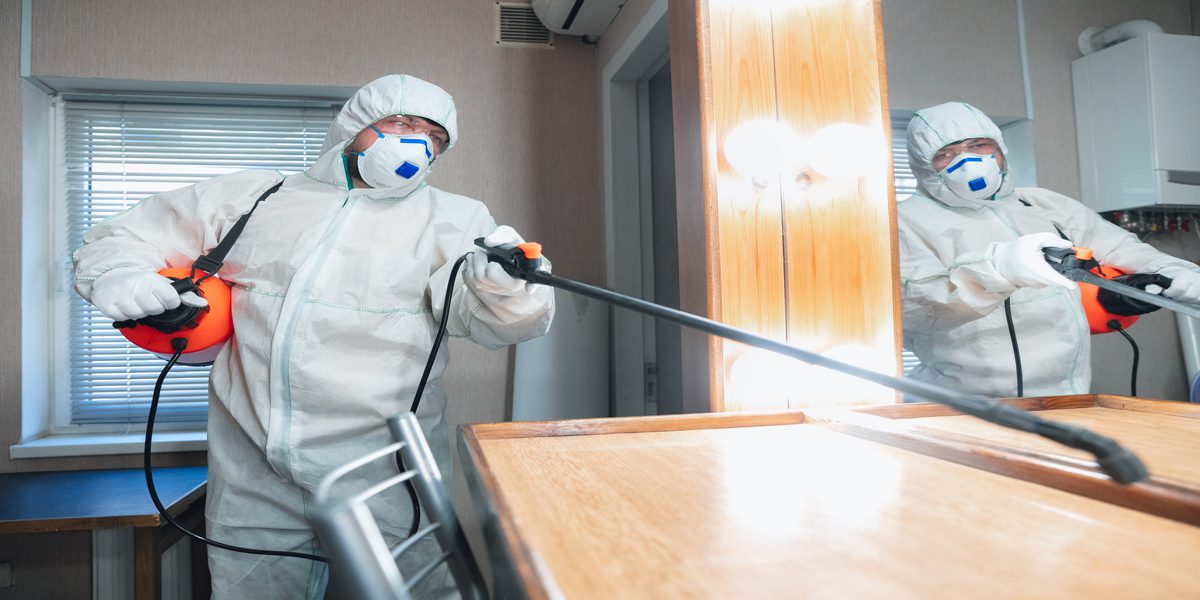
Let’s be real—nobody wants to buy a headache. A building and pest inspection can save you from:
– Hidden deal-breakers: Like termites, dodgy wiring, or cracks that mean the house is slowly splitting in two.
– Unexpected costs: Spot problems before they blow out your budget.
– Negotiating power: Use the findings to get a better price or ask for repairs before you buy.
– Peace of mind: Know exactly what you’re getting into.
Plus, your lender and insurance company will love you for having clear, professional inspection reports. If you’re on the Gold Coast, consider Housefly Building & Pest Inspections Gold Coast for thorough, reliable service before you commit to any property.
What Gets Checked During a Coomera Building & Pest Inspection?
Wondering what’s actually covered? Here’s what your inspector will look at:
Building Stuff:
– Visible structure—walls, floors, ceilings
– Signs of movement or cracks
– Drainage and subfloor access
– Moisture intrusion and timber decay
– Roof and gutter condition
Pest Stuff:
– Termites, borers, and other creepy crawlies
– Signs of nests, frass, or wood damage
– Conditions that invite pests in
Bonus: Recommendations for fixing any problems found, so you know what to do next.
How Does a BPI Actually Protect Your Investment?
Here’s the bottom line: a thorough inspection means fewer surprises (and less cash down the drain).
You get to:
– Spot hidden issues early, before they become big, expensive problems
– Plan repairs and budget smarter
– Use the report to negotiate a better deal
– Keep your property in great shape over the long term
Think of it as an insurance policy for your ROI.
Key Areas Your Inspector Will Focus On
- Structural Integrity—Foundations, Frames, and Movement
– Cracks, sagging floors, or sticky doors? Could be a sign of foundation trouble.
– Inspector checks for rot, mold, and dodgy repairs in framing.
– Drainage around the house is checked—water should flow away, not towards your foundation.
- Moisture and Water Leaks
– Where could water get in? (Think leaky roofs or dodgy gutters)
– Is there condensation, damp spots, or signs of plumbing leaks?
– Are the gutters, downpipes, and drainage up to scratch?
- Termites and Other Pests
– Evidence of termite tunnels, chewed wood, or “frass” (pest poop!)
– Borers? Look for tiny holes and powdery residue.
– Inspector maps out which areas are hit and recommends targeted fixes.
- Electrical & Safety Checks
Electrical Must-Haves:
– Accessible panels and breakers
– Properly rated circuit protection
– No dodgy wires or overheating
– RCDs/GFCIs where required
Safety Systems:
– Smoke alarms tested
– Emergency lighting and fire doors checked
– All findings documented for you (and your peace of mind)
- Roofing, Gutters & Exteriors
– Roof: Any missing shingles, loose flashings, or sags?
– Gutters: Blocked, rusty, or too small?
– Exterior: Is paint peeling, wood soft, or water getting in where it shouldn’t?
- Interior Evaluation
– Check for stains, peeling, or weird smells (hello, hidden leaks!)
– Carpentry: Are doors, stairs, and trims solid?
– Look for hidden defects behind finishes—especially around wet areas like kitchens and bathrooms.
What’s In Your BPI Report (And Why It Matters)
Your report isn’t just a bunch of jargon. It breaks down:
– What’s wrong (and what’s not)
– What needs fixing ASAP vs. what can wait
– Cost estimates and repair priorities
– Photos and clear explanations
Why care?
You’ll use this report to:
– Negotiate price or repairs
– Budget for future fixes
– Keep lenders and insurers happy
– Protect your investment for the long haul
Bottom Line
A building and pest inspection is like a health check for your Coomera investment. It saves you money, stress, and endless headaches. Ask questions, read your report, and use it to make smart, confident decisions about your property.
Ready to buy smart? Don’t skip the inspection. Your wallet will thank you!
